kdarchitects landscape ideas from morph: Modern Outdoor Design Inspiration
The concept of kdarchitects landscape ideas from morph represents a thoughtful approach to outdoor design that combines architecture, landscape planning, sustainability, and visual harmony. Instead of treating gardens, patios, pathways, and green spaces as separate elements, this design philosophy focuses on creating a unified outdoor environment where every feature works together. Whether you are planning a residential backyard, a commercial courtyard, or a public landscape, understanding these ideas can help you create an attractive and functional outdoor space.
Modern landscape architecture has evolved far beyond simply planting trees and flowers. Today’s projects integrate natural materials, water management, lighting, native plants, outdoor living spaces, and eco-friendly practices to deliver environments that are beautiful throughout the year. Many homeowners, designers, and property developers look for inspiration from contemporary architectural concepts because they balance aesthetics with practicality.
This comprehensive guide explores kdarchitects landscape ideas from morph in detail, including design principles, planning strategies, material selection, sustainability techniques, common mistakes, and expert recommendations. Whether you are a beginner looking for inspiration or a professional searching for fresh ideas, this guide will help you understand how to transform outdoor spaces into visually appealing, functional, and long-lasting landscapes.
Key Takeaways
- Modern landscape design focuses on harmony between architecture and nature.
- Functional outdoor spaces improve property value and usability.
- Sustainable landscaping reduces maintenance costs over time.
- Native plants create healthier ecosystems.
- Hardscape and softscape should remain balanced.
- Outdoor lighting dramatically improves safety and aesthetics.
- Water-efficient planning supports environmental sustainability.
- Careful planning prevents costly redesigns.
- Minimalist design often produces timeless landscapes.
- Every landscape should match the property’s architectural style.
Understanding kdarchitects landscape ideas from morph
The idea behind kdarchitects landscape ideas from morph is to create outdoor environments where architecture and landscape complement one another instead of competing for attention. Every pathway, planting bed, seating area, retaining wall, and open lawn contributes to a cohesive design language that reflects the surrounding building. This integrated approach improves not only visual appeal but also functionality, making outdoor spaces more enjoyable and practical for daily use.
Modern landscape architecture also prioritizes long-term sustainability. Designers carefully consider sunlight, drainage, local climate, and maintenance requirements before selecting plants or materials. This thoughtful planning results in landscapes that remain attractive while requiring fewer resources to maintain. Whether the project is large or small, careful integration of natural and built elements forms the foundation of successful design.
Core Design Philosophy
Several guiding principles shape contemporary landscape planning inspired by architectural thinking. Rather than adding decorative elements randomly, every feature has a purpose and contributes to the overall experience of the space.
Key Principles
- Simplicity over unnecessary complexity
- Balance between built and natural elements
- Functional outdoor living
- Sustainability and environmental responsibility
- Strong visual connections between indoor and outdoor areas
- Efficient use of available space
- Seasonal interest throughout the year
These principles help create landscapes that remain visually appealing and practical for decades instead of following short-lived design trends.
Why Modern Landscape Planning Matters
Professional landscape planning offers benefits that extend well beyond aesthetics. A well-designed outdoor space can increase property value, improve comfort, reduce maintenance expenses, and promote healthier lifestyles.
When outdoor areas are carefully organized, homeowners naturally spend more time outside. Comfortable seating, shaded walkways, attractive gardens, and functional gathering spaces encourage relaxation, entertainment, and family activities. Businesses also benefit from inviting landscapes because attractive environments create positive first impressions for customers and visitors.
Landscape planning additionally improves environmental performance. Proper grading, strategic tree placement, and water-efficient irrigation reduce runoff while supporting healthier ecosystems. These improvements make landscapes both beautiful and environmentally responsible.
Traditional Landscaping vs Modern Landscape Architecture
| Feature | Traditional Landscaping | Modern Landscape Architecture |
| Planning | Decoration focused | Function and aesthetics |
| Plant Selection | Mostly ornamental | Native and climate-adapted |
| Water Use | Higher | Water-efficient |
| Outdoor Living | Limited | Major priority |
| Sustainability | Moderate | High |
| Material Choice | Conventional | Natural and eco-friendly |
| Maintenance | Often higher | Optimized through planning |
Essential Elements of Contemporary Landscape Design
Successful outdoor environments combine several interconnected elements. None of these features should dominate the design. Instead, they should work together to create balance, comfort, and visual appeal.
Hardscape Elements
Hardscape refers to the permanent structural components of a landscape. These features define movement, create usable spaces, and provide architectural character.
Common hardscape features include:
- Stone pathways
- Concrete walkways
- Wooden decks
- Outdoor kitchens
- Retaining walls
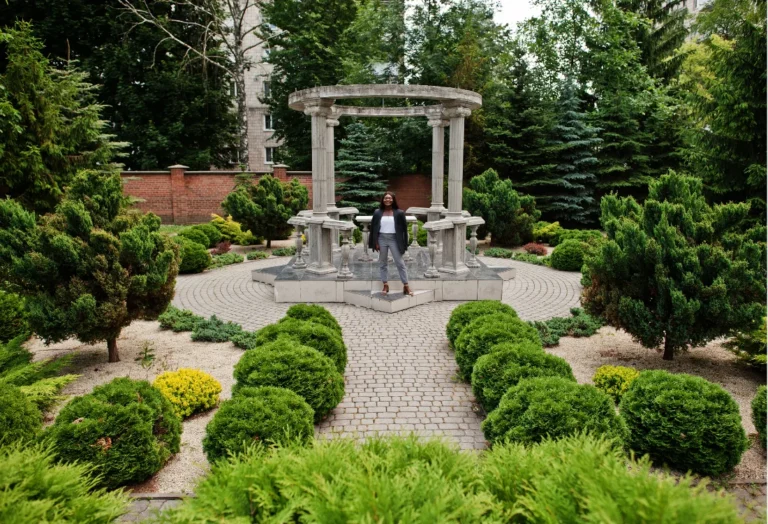
- Pergolas
- Garden walls
- Fire pits
- Patios
- Seating areas
Hardscape should complement the architecture of the property rather than overpower the surrounding landscape. Neutral colors, durable materials, and clean lines often produce timeless results.
Softscape Elements
Softscape includes all living components within the landscape. These elements add color, texture, seasonal variety, and ecological value.
Examples include:
- Trees
- Shrubs
- Flower beds
- Native grasses
- Ground covers
- Seasonal plants
- Lawn areas
- Climbing vines
- Decorative foliage
An effective softscape design balances evergreen plants with seasonal blooms to maintain visual interest throughout the year.
Hardscape vs Softscape
| Hardscape | Softscape |
| Patios | Trees |
| Walkways | Shrubs |
| Pergolas | Flowers |
| Retaining Walls | Lawn |
| Outdoor Kitchens | Native Plants |
| Fire Pits | Ground Covers |
| Stone Features | Ornamental Grasses |
Selecting Materials for Lasting Beauty
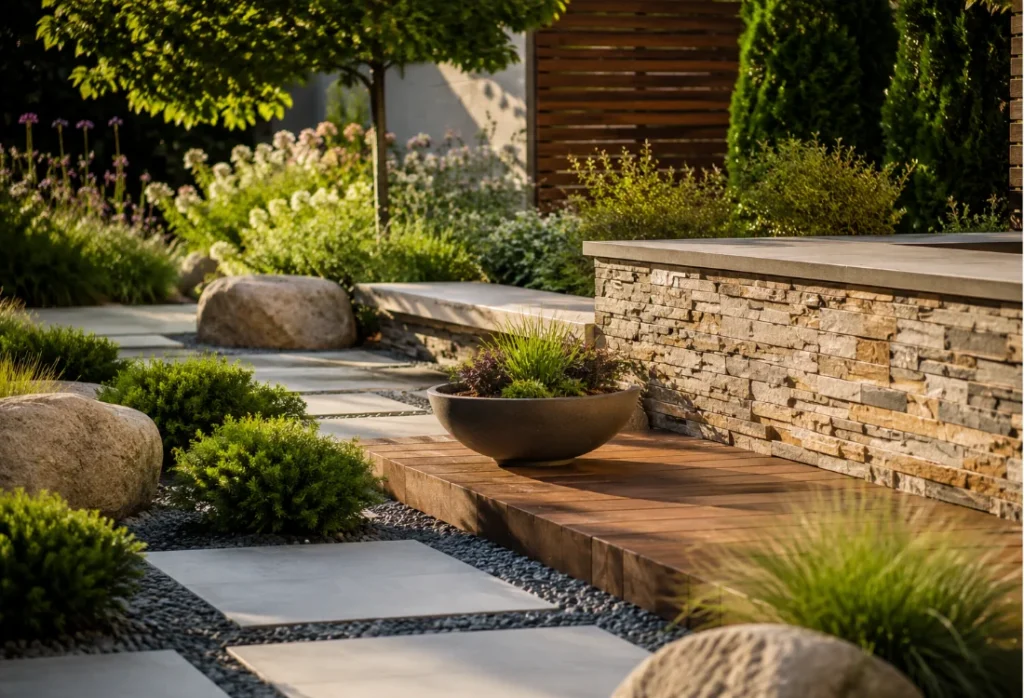
Material selection has a significant impact on durability, maintenance, and overall appearance. The philosophy behind kdarchitects landscape ideas from morph emphasizes natural textures that age gracefully while remaining functional for many years.
Popular material choices include natural stone, architectural concrete, sustainably sourced timber, weather-resistant steel, gravel, porcelain pavers, and recycled materials. Combining these materials thoughtfully creates visual contrast without making the landscape appear cluttered.
Consistency is equally important. Repeating similar colors, textures, and finishes throughout the landscape helps unify the entire property and strengthens the connection between indoor and outdoor spaces.
Popular Landscape Materials
| Material | Advantages | Best Uses |
| Natural Stone | Durable, timeless | Patios, pathways |
| Timber | Warm appearance | Decks, pergolas |
| Gravel | Affordable, permeable | Walkways |
| Concrete | Versatile | Patios, driveways |
| Steel | Modern aesthetic | Edging, planters |
| Brick | Traditional charm | Garden paths |
Sustainable Landscape Design Practices
Sustainability is one of the defining characteristics of modern landscape architecture. Rather than relying on excessive irrigation and high-maintenance gardens, today’s landscapes aim to conserve natural resources while remaining visually appealing.
Sustainable landscaping begins with understanding the local environment. Designers evaluate rainfall patterns, soil conditions, sunlight exposure, and existing vegetation before making decisions. This planning helps create landscapes that thrive naturally instead of requiring constant intervention.
Some of the most effective sustainable practices include using drought-tolerant plants, collecting rainwater for irrigation, improving soil with organic compost, installing permeable paving materials, and reducing lawn areas in favor of native planting. These strategies lower water consumption, decrease maintenance costs, and support local biodiversity while enhancing the beauty of the landscape.
Benefits of Sustainable Landscaping
- Reduces long-term maintenance costs
- Conserves water resources
- Supports local wildlife
- Improves soil health
- Enhances property value
- Creates healthier outdoor environments
- Reduces environmental impact
Creating Functional Outdoor Living Spaces
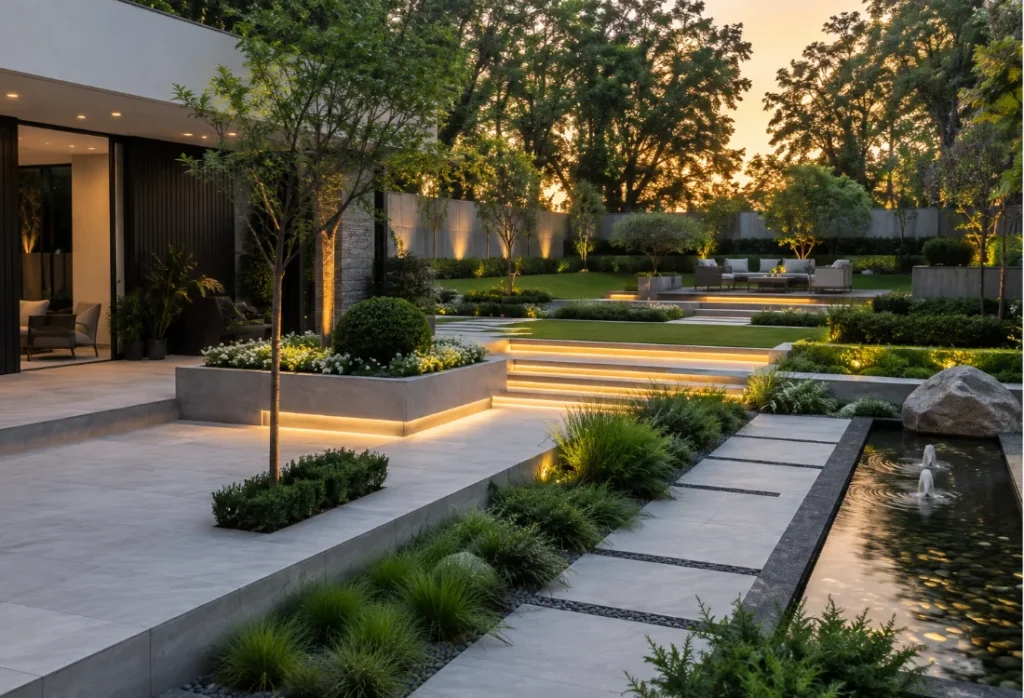
One of the defining characteristics of kdarchitects landscape ideas from morph is designing landscapes that extend everyday living beyond the walls of a home. Modern outdoor spaces are no longer viewed as simple gardens. Instead, they function as additional living areas where people can relax, entertain guests, dine with family, or even work remotely in a peaceful environment.
A successful outdoor living area begins with understanding how the space will be used. Families with children may prioritize open lawns and safe play areas, while homeowners who enjoy entertaining might prefer an outdoor kitchen, dining patio, or fire pit. Every feature should have a clear purpose while maintaining a seamless connection with the home’s architectural style. Careful planning ensures the space remains practical, comfortable, and visually cohesive throughout every season.
Popular Outdoor Living Features
- Outdoor kitchens
- Covered patios
- Wooden or composite decks
- Fire pits
- Pergolas
- Lounge seating
- Dining terraces
- Garden pavilions
- Swimming pools
- Meditation gardens
Designing Comfortable Gathering Areas
Comfort should always guide the design process. Shaded seating, durable outdoor furniture, and weather-resistant materials help create inviting spaces that people naturally want to use. Incorporating privacy screens, ornamental grasses, or strategically placed shrubs can also make gathering areas feel more intimate without closing off the landscape.
Modern landscapes often divide outdoor areas into functional zones. For example, one section may serve as a dining space, another as a relaxation area, and a third as a children’s play zone. This zoning approach improves usability while maintaining an organized appearance.
Outdoor Living Features and Their Benefits
| Feature | Primary Benefit | Best For |
| Pergola | Shade and architectural interest | Patios |
| Fire Pit | Year-round gathering | Family entertainment |
| Outdoor Kitchen | Cooking and dining | Entertaining guests |
| Deck | Expanded living space | Residential homes |
| Pavilion | Weather protection | Large gardens |
| Water Feature | Relaxation | All landscape styles |
| Seating Wall | Extra seating | Small gardens |
Landscape Lighting That Enhances Beauty and Safety
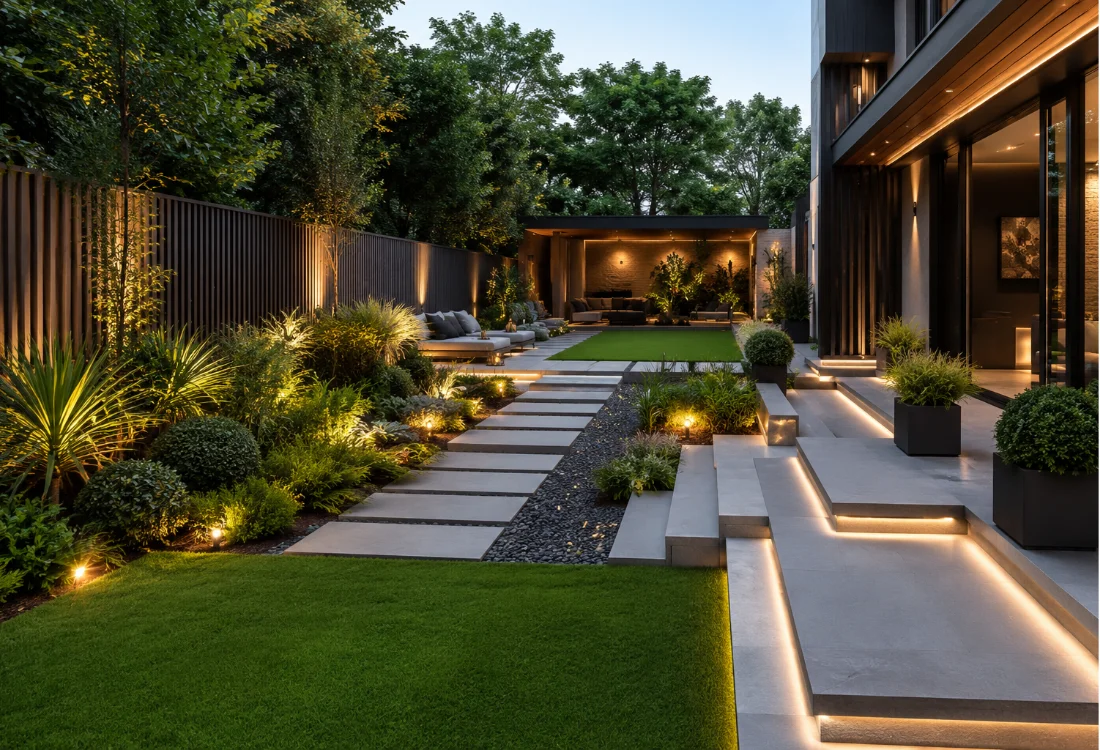
Lighting is often underestimated, yet it dramatically changes the appearance of a landscape after sunset. Within kdarchitects landscape ideas from morph, lighting is treated as both a functional and decorative element. It improves visibility, highlights architectural details, and creates a welcoming atmosphere for evening use.
Rather than flooding an area with bright light, successful landscape lighting layers different fixtures throughout the property. Soft pathway lighting improves safety, uplighting emphasizes trees and architectural walls, and accent lighting showcases sculptures or water features. This layered approach creates depth while avoiding unnecessary glare.
Types of Landscape Lighting
Path Lighting
Path lights illuminate walkways and garden paths, making movement safer while adding visual appeal. Low-voltage LED fixtures are especially popular because they consume less electricity and require minimal maintenance.
Accent Lighting
Accent lighting draws attention to focal points such as mature trees, decorative walls, sculptures, or textured planting beds. It adds drama and creates visual interest after dark.
Deck and Step Lighting
Integrated lighting within stairs and decks increases safety without disrupting the clean lines of the landscape. Hidden fixtures create a subtle glow that complements modern architecture.
Security Lighting
Security lighting protects the property while remaining aesthetically pleasing. Motion-activated fixtures provide illumination only when necessary, reducing energy consumption.
Choosing the Right Plants
Plant selection is one of the most important aspects of kdarchitects landscape ideas from morph. Attractive landscapes rely on healthy plants that suit the local climate rather than exotic species requiring constant care.
Native plants generally perform better because they have adapted to regional weather patterns and soil conditions. They also attract pollinators such as butterflies, bees, and birds, contributing to healthier ecosystems.
Instead of planting numerous unrelated species, modern landscape designers often limit the plant palette. Repeating groups of compatible plants creates rhythm and visual unity while simplifying maintenance.
Factors to Consider When Selecting Plants
- Climate compatibility
- Sunlight exposure
- Mature plant size
- Water requirements
- Soil conditions
- Seasonal appearance
- Maintenance needs
- Wildlife value
- Growth rate
- Color harmony
Plant Categories for Modern Landscapes
| Plant Type | Benefits | Examples |
| Shade Trees | Cooling and privacy | Maple, Oak |
| Evergreen Shrubs | Year-round structure | Boxwood, Holly |
| Ornamental Grasses | Texture and movement | Fountain Grass |
| Ground Covers | Weed control | Creeping Thyme |
| Native Perennials | Pollinator support | Coneflower, Black-eyed Susan |
| Flowering Shrubs | Seasonal color | Hydrangea, Spirea |
Water Features That Add Tranquility
Water introduces movement, sound, and reflection into outdoor environments. A carefully designed water feature can become the focal point of an entire landscape while contributing to a relaxing atmosphere.
Small gardens often benefit from compact fountains or bubbling rock features, whereas larger properties may include ponds, waterfalls, or reflecting pools. Regardless of size, the water feature should complement the surrounding architecture rather than dominate it.
Sustainability should remain a priority. Modern systems frequently use recirculating pumps that conserve water while reducing operating costs.
Popular Water Features
- Reflecting pools
- Garden ponds
- Bubbling fountains
- Cascading waterfalls
- Stream channels
- Rain gardens
- Decorative bowls
- Wall fountains
Sustainable Water Management
Responsible water management protects both landscapes and the environment. Modern designers carefully direct rainwater away from buildings while allowing it to naturally replenish the soil wherever possible.
Rain gardens, permeable paving, bioswales, and underground drainage systems help reduce flooding and erosion. These environmentally friendly solutions improve the health of plants while lowering long-term maintenance requirements.
Homeowners can also install drip irrigation systems that deliver water directly to plant roots, minimizing evaporation and reducing water waste compared to traditional sprinklers.
Integrating Architecture with Landscape
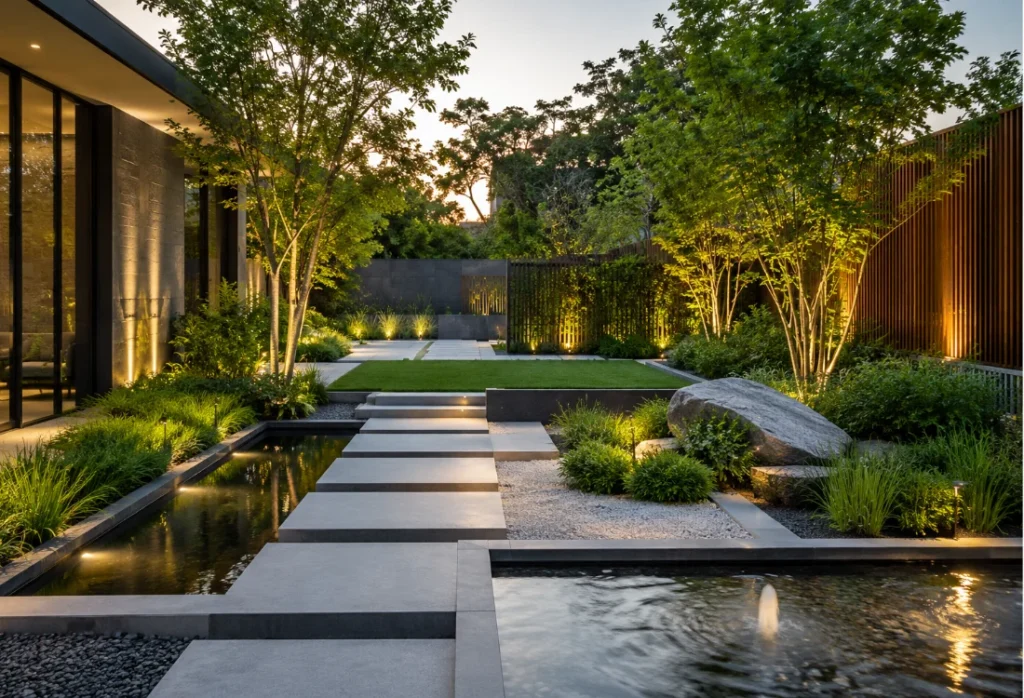
A successful landscape should feel like a natural extension of the building it surrounds. This principle sits at the heart of kdarchitects landscape ideas from morph, where architecture and landscape are designed as one unified composition rather than separate projects.
Designers achieve this harmony by repeating materials, colors, textures, and geometric forms throughout the property. Stone used on the home’s exterior may continue into garden walls or patios, while similar planting arrangements can frame entrances and outdoor living spaces.
Strong visual connections also encourage movement between indoor and outdoor areas. Large glass doors, aligned pathways, and carefully positioned seating areas blur the boundary between architecture and nature.
Seasonal Landscape Planning
Beautiful landscapes remain attractive throughout the year rather than only during spring or summer. Planning for seasonal interest ensures continuous color, texture, and visual variety.
Spring introduces flowering bulbs and fresh foliage. Summer showcases vibrant perennials and lush lawns. Autumn highlights colorful leaves and ornamental grasses, while winter relies on evergreen plants, decorative bark, and structural hardscape elements.
Layering different plant types helps maintain year-round beauty while reducing periods when the landscape appears empty or inactive.
Common Mistakes to Avoid
Many landscaping projects fail because planning receives less attention than construction. Avoiding these common mistakes can save significant time and money.
Overcrowding Plants
Planting too many species too closely together creates competition for sunlight, water, and nutrients. Crowded gardens also become more difficult to maintain as plants mature.
Ignoring Drainage
Poor drainage damages foundations, kills plants, and causes soil erosion. Every landscape plan should include proper grading and water management.
Choosing High-Maintenance Plants
Some ornamental plants require constant pruning, fertilizing, or watering. Selecting climate-appropriate species results in healthier landscapes with lower maintenance costs.
Inconsistent Material Choices
Mixing too many unrelated materials creates visual confusion. Limiting materials to a coordinated palette produces a cleaner and more timeless appearance.
Forgetting Future Growth
Trees and shrubs continue growing for decades. Planning for mature sizes prevents overcrowding and expensive future renovations.
Expert Tips for Better Landscape Design
Professional landscape architects often follow several proven practices that consistently produce successful projects.
- Begin with a detailed site analysis.
- Prioritize function before decoration.
- Choose durable, high-quality materials.
- Plant native species whenever possible.
- Install efficient irrigation systems.
- Create multiple outdoor gathering spaces.
- Design for year-round visual interest.
- Balance hardscape with greenery.
- Invest in quality outdoor lighting.
- Develop a long-term maintenance plan.
These recommendations ensure that kdarchitects landscape ideas from morph are translated into landscapes that remain attractive, practical, and sustainable for many years.
Budgeting for a Modern Landscape Project
Planning a realistic budget is essential for turning kdarchitects landscape ideas from morph into a successful project. A well-planned budget helps you prioritize features while avoiding unexpected expenses. Instead of focusing only on the initial installation cost, consider long-term maintenance, irrigation, lighting, and future upgrades.
Small landscapes often require fewer materials and less labor, while larger properties may need extensive grading, drainage systems, retaining walls, and premium hardscape materials. Investing in quality products from the beginning usually reduces repair and replacement costs over time.
Factors That Affect Landscaping Costs
- Property size
- Site preparation
- Hardscape materials
- Plant selection
- Irrigation systems
- Outdoor lighting
- Water features
- Labor costs
- Maintenance requirements
- Local climate
Landscape Planning Checklist
| Task | Completed |
| Define project goals | □ |
| Create a landscape layout | □ |
| Set a realistic budget | □ |
| Choose suitable materials | □ |
| Select climate-friendly plants | □ |
| Plan irrigation | □ |
| Design outdoor lighting | □ |
| Include drainage solutions | □ |
| Schedule regular maintenance | □ |
| Review the final design | □ |
Future Trends in Landscape Design
Landscape architecture continues to evolve as technology and sustainability become increasingly important. Many of the concepts behind kdarchitects landscape ideas from morph align with these modern trends, making them relevant for homeowners and professionals alike.
Smart irrigation systems, native planting schemes, permeable paving, outdoor wellness spaces, and eco-friendly materials are becoming standard features in contemporary landscape projects. Homeowners are also investing more in multifunctional outdoor areas that support relaxation, entertainment, and remote work.
Minimalist planting, natural stone finishes, and energy-efficient lighting are expected to remain popular because they offer timeless beauty while reducing maintenance requirements. These trends reflect a growing desire for landscapes that are both environmentally responsible and visually appealing.
Best Practices for Long-Term Landscape Success
Creating a beautiful landscape is only the beginning. Regular care and thoughtful maintenance help preserve its appearance and functionality for many years.
Follow these best practices:
- Inspect irrigation systems regularly.
- Prune plants at the correct time of year.
- Refresh mulch annually.
- Fertilize plants only when necessary.
- Remove weeds before they spread.
- Clean hardscape surfaces periodically.
- Replace damaged lighting fixtures promptly.
- Monitor drainage after heavy rainfall.
- Plant seasonally for year-round interest.
- Review your landscape every year and make gradual improvements.
Consistent maintenance protects your investment and ensures that your outdoor space continues to reflect the design principles of kdarchitects landscape ideas from morph.
Final Thoughts for Homeowners and Designers
Whether you are designing a compact backyard or a large commercial landscape, thoughtful planning always produces better results than rushing into construction. Successful landscapes combine beauty, function, sustainability, and long-term usability. Every pathway, planting area, seating space, and architectural feature should contribute to a unified outdoor experience.
By applying the principles discussed throughout this guide, you can create an outdoor environment that complements the surrounding architecture while meeting practical everyday needs. The focus should always remain on balance, quality materials, environmentally responsible practices, and careful planning.
Conclusion
The philosophy behind kdarchitects landscape ideas from morph demonstrates that exceptional landscape design is about much more than attractive gardens. It is a comprehensive approach that integrates architecture, nature, sustainability, and functionality into one cohesive outdoor environment. By carefully selecting materials, incorporating climate-appropriate plants, planning efficient lighting and irrigation, and designing comfortable outdoor living spaces, you can create landscapes that remain beautiful and practical for years to come.
Whether you are renovating an existing yard or starting a completely new project, these ideas provide a strong foundation for making informed design decisions. Focus on long-term value rather than short-term trends, prioritize sustainable solutions, and always design with both aesthetics and usability in mind. With proper planning and maintenance, kdarchitects landscape ideas from morph can inspire outdoor spaces that enhance your property’s beauty, increase its value, and provide lasting enjoyment.
Frequently Asked Questions
1. What are kdarchitects landscape ideas from morph?
kdarchitects landscape ideas from morph refer to a modern landscaping approach that blends architecture, greenery, and functional outdoor spaces into one cohesive and visually appealing design.
2. Why is sustainable landscaping important?
Sustainable landscaping conserves water, reduces maintenance, supports local wildlife, and creates healthier outdoor spaces while lowering long-term costs.
3. Which plants work best in modern landscape designs?
Native plants, ornamental grasses, evergreen shrubs, flowering perennials, and drought-tolerant species are excellent choices because they are attractive and easier to maintain.
4. How can landscape lighting improve an outdoor space?
Landscape lighting enhances safety, highlights architectural features, creates ambiance, and extends the usability of gardens, patios, and walkways after sunset.
5. What is the difference between hardscape and softscape?
Hardscape includes permanent structures like patios, pathways, and retaining walls, while softscape consists of living elements such as trees, shrubs, flowers, and lawns.