Garden Homenumental: The Complete Guide to Creating a Lasting Outdoor Sanctuary
A well-designed garden is more than a collection of plants. It is a living extension of your home that combines beauty, functionality, and long-term sustainability. The garden homenumental approach focuses on creating outdoor spaces with purpose, structure, and lasting value. Rather than following short-lived landscaping trends, this method emphasizes strategic planning, healthy soil, intelligent plant selection, and thoughtful design.
Whether you have a compact backyard, a spacious landscape, or a small urban garden, the garden homenumental philosophy helps you build an outdoor environment that grows more beautiful with each passing year. By combining ecological awareness with practical design principles, you can create a garden that supports biodiversity, improves property value, and provides a peaceful retreat for your family.
What Is a Garden Homenumental?
The term garden homenumental combines the ideas of “home” and “monumental.” It represents a gardening philosophy that focuses on permanence, personal meaning, and sustainable growth. Instead of designing a garden for temporary visual impact, this approach encourages homeowners to create landscapes that remain functional and attractive for decades.
A garden homenumental space often includes meaningful focal points, structured planting layers, durable hardscaping features, and environmentally responsible gardening practices. Every element serves a purpose and contributes to the overall harmony of the landscape.
Key Principles of a Garden Homenumental Design
- Long-term sustainability
- Functional beauty
- Ecological balance
- Strategic planning
- Structural permanence
- Efficient maintenance
- Seasonal adaptability
These principles help transform ordinary gardens into outdoor spaces that continue to evolve and improve over time.
Why the Garden Homenumental Approach Is Gaining Popularity
Many homeowners are moving away from high-maintenance landscapes that require constant watering, fertilizing, and replacement planting. The garden homenumental method offers a smarter alternative.
This approach reduces maintenance demands while improving environmental performance. Native plants, healthy soil ecosystems, and efficient irrigation systems work together to create a resilient landscape that requires fewer resources.
Additionally, homeowners increasingly view outdoor spaces as extensions of their living areas. A well-designed garden can serve as an outdoor dining room, relaxation zone, entertainment area, or personal retreat.
Benefits of Creating a Garden Homenumental
| Benefit | Description |
| Increased Property Value | Attractive landscaping enhances curb appeal and resale potential. |
| Lower Maintenance | Smart design reduces ongoing work. |
| Environmental Benefits | Supports pollinators and biodiversity. |
| Improved Well-Being | Creates a peaceful and restorative environment. |
| Water Efficiency | Uses sustainable irrigation practices. |
| Long-Term Beauty | Develops character and maturity over time. |
A successful garden homenumental design provides practical and emotional benefits that extend far beyond appearance.
Start With a Purpose-Driven Plan
Before purchasing plants or building structures, define the primary purpose of your garden.
Ask yourself:
- Do you want a relaxing retreat?
- Will you entertain guests outdoors?
- Are you interested in growing vegetables?
- Do you want to attract pollinators?
- Is low maintenance your highest priority?
Answering these questions helps establish a clear direction for the entire project.
Create Functional Garden Zones
Dividing your landscape into specific zones improves both usability and organization.
Common zones include:
Relaxation Zone
A quiet area with seating, shade, and calming greenery.
Entertainment Zone
Outdoor dining areas, patios, or fire pit spaces designed for social gatherings.
Productive Garden Zone
Vegetable beds, herb gardens, and fruit-producing plants.
Wildlife Zone
Native plants and pollinator-friendly flowers that support local ecosystems.
Creating distinct zones allows every part of your garden homenumental layout to serve a meaningful purpose.
Understanding Your Garden’s Microclimate
One of the most overlooked aspects of garden planning is environmental assessment.
Even within a small yard, different areas may receive varying amounts of sunlight, wind exposure, and moisture.
Sunlight Analysis
Monitor your garden throughout the day.
- Full Sun: 6–8+ hours
- Partial Sun: 3–6 hours
- Shade: Less than 3 hours
Matching plants to their ideal light conditions significantly improves success rates.
Wind Patterns
Strong winds can damage plants and dry out soil.
Consider using:
- Hedges
- Privacy screens
- Pergolas
- Decorative fencing
These features create sheltered microclimates that support healthier plant growth.
Drainage Assessment
After heavy rain, observe where water collects.
Poor drainage can lead to:
- Root rot
- Soil compaction
- Nutrient loss
Raised beds, soil amendments, and grading adjustments can solve most drainage problems before they become serious.
Building Healthy Soil for Long-Term Success
Healthy soil is the foundation of every successful garden homenumental project.
Rather than relying on synthetic fertilizers, focus on creating a living soil ecosystem rich in beneficial organisms.
Understanding Soil Types
| Soil Type | Characteristics | Improvement Method |
| Clay Soil | Dense and slow draining | Add compost and organic matter |
| Sandy Soil | Drains quickly | Increase organic material |
| Loamy Soil | Balanced structure | Maintain with compost |
| Silty Soil | Fertile but compactable | Improve aeration |
Improve Soil Naturally
For long-term soil health:
- Add compost annually
- Use organic mulch
- Encourage earthworms
- Avoid excessive tilling
- Rotate crops in vegetable gardens
Healthy soil supports stronger roots, better nutrient absorption, and improved drought resistance.
Structural Design: Creating the Bones of the Garden
Many landscapes look attractive during peak growing season but become lifeless during winter. The garden homenumental approach solves this problem through strong structural design.
Layered Planting Strategy
A layered garden mimics natural ecosystems.
Canopy Layer
Trees provide shade, scale, and visual interest.
Examples:
- Maple
- Oak
- Magnolia
Shrub Layer
Shrubs create year-round structure.
Examples:
- Boxwood
- Hydrangea
- Viburnum
Perennial Layer
Adds seasonal color and texture.
Examples:
- Lavender
- Coneflower
- Salvia
Groundcover Layer
Protects soil and reduces weeds.
Examples:
- Creeping thyme
- Sedum
- Ajuga
This layered approach increases biodiversity while improving visual depth.
Intelligent Plant Selection for a Garden Homenumental
Plant selection is one of the most important decisions in any garden homenumental project. Choosing plants based solely on appearance often leads to disappointment, increased maintenance, and poor long-term performance.
Instead, select plants according to your climate, soil conditions, sunlight exposure, and maintenance preferences. This approach creates a more resilient landscape that requires less intervention throughout the year.
Prioritize Native and Adaptive Plants
Native plants have evolved to thrive in local environmental conditions. They typically require less water, fewer fertilizers, and minimal pest control.
Benefits of native plants include:
- Better drought tolerance
- Stronger resistance to local pests
- Improved biodiversity
- Enhanced pollinator support
- Reduced maintenance costs
Combining native species with climate-adapted ornamental plants creates a balanced and visually appealing garden.
Balance Color, Texture, and Form
A successful garden homenumental design relies on more than flowers. Visual interest should exist throughout the year.
Combine:
- Evergreen shrubs for winter structure
- Flowering perennials for seasonal color
- Ornamental grasses for movement
- Trees for scale and shade
- Groundcovers for soil protection
Repeating plant varieties throughout the landscape creates cohesion and prevents a cluttered appearance.
Water Management and Irrigation Efficiency
Water is one of the most valuable resources in modern gardening. Effective irrigation not only conserves water but also improves plant health.
The garden homenumental approach prioritizes efficient water use through thoughtful planning and sustainable systems.
Best Irrigation Methods
| Irrigation Method | Efficiency Level | Best Use |
| Drip Irrigation | Excellent | Flower beds and shrubs |
| Soaker Hoses | Very Good | Vegetable gardens |
| Sprinklers | Moderate | Lawns |
| Hand Watering | Variable | Small gardens |
Deep watering encourages roots to grow deeper into the soil, increasing drought tolerance and overall resilience.
Rainwater Harvesting
Collecting rainwater is an excellent way to reduce water bills while supporting sustainability goals.
Popular solutions include:
- Rain barrels
- Underground storage tanks
- Decorative collection systems
- Permeable landscape designs
A properly designed rainwater system can significantly reduce dependence on municipal water supplies.
Smart Technology in Modern Garden Design
One major content gap found in many garden guides is the role of technology. Today’s homeowners can use smart tools to improve efficiency and reduce maintenance.
Technology complements the garden homenumental philosophy by supporting long-term sustainability.
Smart Gardening Tools
Modern solutions include:
- Soil moisture sensors
- Smart irrigation controllers
- Weather-based watering systems
- Automated lighting controls
- Garden planning applications
These tools help homeowners make informed decisions while minimizing waste.
Benefits of Smart Garden Technology
- Lower water consumption
- Reduced maintenance time
- Improved plant health
- Better resource management
- Increased convenience
Smart technology should support natural systems rather than replace them.
Creating Meaningful Garden Features
A defining characteristic of a garden homenumental space is the presence of meaningful focal points.
These features create emotional connections while enhancing visual appeal.
Popular Monumental Elements
Living Monuments
Living monuments grow and evolve over time.
Examples include:
- Memorial trees
- Heritage rose gardens
- Family orchards
- Commemorative flower beds
Functional Monuments
Functional features combine beauty with usability.
Examples include:
- Fire pits
- Pergolas
- Water features
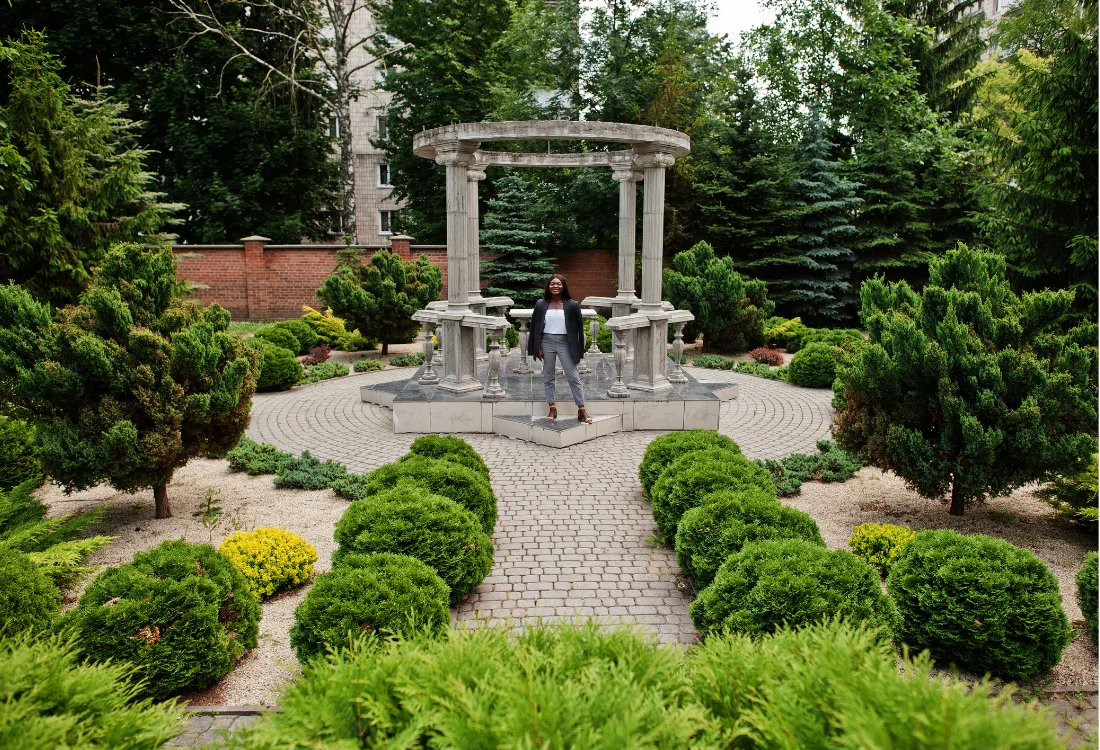
- Garden pavilions
Artistic Monuments
Artistic focal points create strong visual interest.
Examples include:
- Sculptures
- Decorative obelisks
- Stone installations
- Architectural garden art
Every focal point should contribute to the overall purpose of the garden.
Budget Planning for a Garden Homenumental
Many homeowners underestimate the importance of budgeting. A realistic financial plan helps prevent unfinished projects and costly mistakes.
Recommended Budget Allocation
| Category | Percentage of Budget |
| Hardscaping | 35% |
| Plants | 25% |
| Irrigation | 10% |
| Soil Improvement | 10% |
| Lighting | 10% |
| Contingency | 10% |
Investing in foundational elements first often produces better long-term results than spending heavily on decorative features.
Common Mistakes to Avoid
Even experienced gardeners can make costly errors.The most common mistakes include:
Overcrowding Plants
New plants often appear small in nurseries. Ignoring mature plant size creates competition for light, water, and nutrients.
Ignoring Soil Health
Poor soil limits growth regardless of plant quality.
Choosing Plants Unsuited to the Climate
Plants struggling to survive require constant maintenance and replacement.
Lack of Long-Term Planning
Impulse purchases often result in disorganized landscapes lacking cohesion.Avoiding these mistakes significantly improves the success of your garden homenumental project.
Sustainable Gardening Practices
Sustainability is at the core of a successful garden homenumental design.Small improvements can produce substantial environmental benefits over time.
Eco-Friendly Gardening Strategies
- Compost kitchen waste
- Use organic fertilizers
- Plant pollinator-friendly species
- Reduce chemical pesticide use
- Install permeable pathways
- Harvest rainwater
- Use recycled materials where possible
These practices create healthier ecosystems while lowering maintenance requirements.
Garden Homenumental Design for Small Spaces
A common misconception is that monumental gardens require large properties.Even compact spaces can embrace the garden homenumental philosophy.
Small Space Design Tips
Use vertical gardening techniques to maximize available space.
Consider:
- Trellises
- Green walls
- Climbing plants
- Hanging baskets
Multi-functional furniture and compact planting schemes help maximize usability without overcrowding the area.
Urban Garden Solutions
Urban gardeners can create meaningful outdoor environments through:
- Container gardens
- Rooftop gardens
- Courtyard designs
- Balcony planting systems
Thoughtful planning often matters more than square footage.
Pros and Cons of the Garden Homenumental Approach
| Pros | Cons |
| Long-lasting beauty | Requires initial planning |
| Increased property value | May involve higher upfront costs |
| Reduced maintenance over time | Structural elements can be expensive |
| Better environmental performance | Results develop gradually |
| Strong visual impact | Requires patience during establishment |
| Enhanced biodiversity | Ongoing seasonal care still needed |
For most homeowners, the long-term benefits far outweigh the initial effort required.
Garden Homenumental Blueprint Infographic
Step 1: Define Purpose
Step 2: Assess Climate and Site Conditions
Step 3: Improve Soil Quality
Step 4: Build Structural Framework
Step 5: Select Climate-Appropriate Plants
Step 6: Install Efficient Irrigation
Step 7: Add Meaningful Focal Points
Step 8: Establish Seasonal Maintenance Plan
Step 9: Support Biodiversity
Step 10: Enjoy Long-Term Growth and Beauty
Seasonal Maintenance Roadmap
Spring
Focus on soil preparation, pruning, dividing perennials, and applying fresh mulch.
Summer
Monitor watering needs, manage pests naturally, and deadhead flowering plants.
Autumn
Plant trees, improve soil with compost, and prepare beds for winter.
Winter
Inspect structures, maintain tools, and plan future improvements.Consistent maintenance prevents minor issues from becoming major problems.
Frequently Asked Questions
What is a garden homenumental?
A garden homenumental is a long-term gardening approach that combines meaningful design, sustainable practices, structural landscaping, and ecological balance to create a lasting outdoor environment.
How often should soil be improved?
Most gardens benefit from annual compost applications, preferably during spring or autumn.
Is drip irrigation necessary?
While not mandatory, drip irrigation is one of the most efficient watering methods and supports healthier root development.
Can a small yard follow the garden homenumental approach?
Yes. Even small gardens, patios, balconies, and courtyards can incorporate the principles of structure, sustainability, and purposeful design.
How long does it take to establish a mature garden homenumental landscape?
Most gardens show noticeable improvements within the first growing season, but full maturity typically develops over three to five years.
What are the best plants for a garden homenumental design?
The best choices are native plants, climate-adapted perennials, evergreen shrubs, ornamental grasses, and long-lived trees suited to your local growing conditions.
Does a garden homenumental require a large budget?
No. Homeowners can start with small projects and expand gradually while following the same design principles.
Conclusion
Creating a successful garden homenumental landscape is not about achieving instant perfection. It is about building a thoughtful outdoor environment that grows stronger, more beautiful, and more functional with each passing season. By focusing on healthy soil, strategic planning, structural design, efficient water management, and sustainable gardening practices, homeowners can create landscapes that provide lasting value for decades.
Unlike trend-driven landscaping, the garden homenumental philosophy prioritizes permanence, ecological balance, and personal meaning. Whether you are transforming a large backyard or a small urban patio, this approach helps create a space that supports biodiversity, enhances daily living, and reflects your unique vision. With patience, consistency, and intentional design, your garden can become a timeless sanctuary that continues to thrive year after year.