
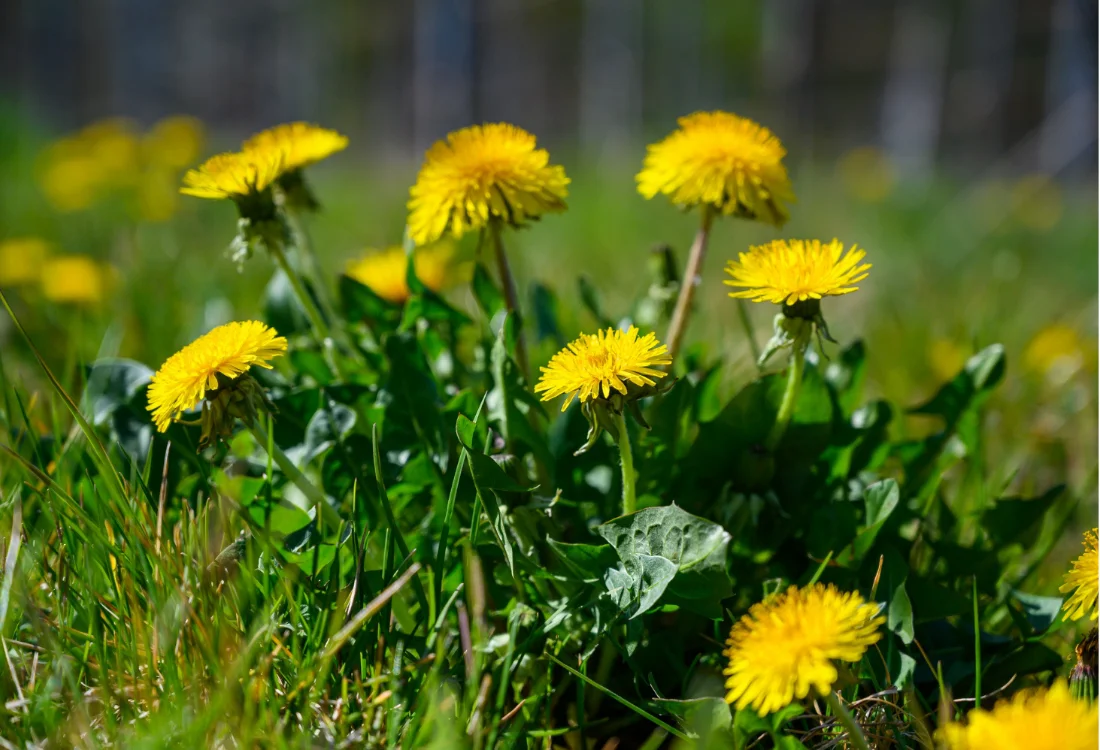
The giant dandelion plant is attracting attention among gardeners, homesteaders, and permaculture enthusiasts who want a larger, more productive version of the common dandelion. Unlike standard dandelions that often appear as lawn weeds, a giant dandelion plant can develop impressive foliage, deeper roots, and greater biomass when grown in favorable conditions. These oversized plants provide edible leaves, flowers, and roots while also supporting pollinators and improving soil health.
Many gardeners are surprised to learn that a giant dandelion plant can become a valuable addition to vegetable gardens, wildlife landscapes, and sustainable growing systems. Whether you are interested in nutrition, natural remedies, compost production, or ornamental appeal, these remarkable plants offer multiple benefits throughout the growing season.
What Is a Giant Dandelion Plant?
A giant dandelion plant is generally a larger and more vigorous form of the common dandelion (Taraxacum officinale). Some oversized varieties result from selective breeding, while others develop naturally under ideal soil, moisture, and sunlight conditions.
Unlike ordinary lawn dandelions that often produce leaves between 4 and 10 inches long, a mature giant form can produce leaves exceeding 20 inches in length. The root system also becomes thicker and deeper, making the plant more productive and resilient.
Giant Dandelion Plant vs Common Dandelion
| Feature | Giant Dandelion Plant | Common Dandelion |
| Leaf Length | 20-24 inches or more | 4-10 inches |
| Root Size | Thick and deep | Moderate |
| Biomass Production | High | Average |
| Garden Value | Excellent | Good |
| Harvest Yield | Large | Moderate |
| Visual Impact | Dramatic | Standard |
Why Gardeners Are Interested in Giant Dandelions
Most people view dandelions as weeds, but gardeners focused on sustainability recognize their value. A giant dandelion plant offers all the benefits of traditional dandelions while producing significantly more usable material.
The larger leaves provide more food for people and livestock. Bigger roots create greater opportunities for herbal preparations, roasted root beverages, and soil improvement. These qualities make giant dandelions particularly attractive for homestead gardens.
Understanding the Giant Dandelion Like Plant
The term giant dandelion like plant is often used for plants that resemble dandelions but belong to different botanical groups. Examples include sow thistle, wild lettuce, and certain Sonchus species.
Some ornamental species such as Sonchus palmensis produce tall architectural growth with yellow flowers that resemble oversized dandelions. These plants are popular in drought-tolerant landscapes and botanical collections because of their unusual appearance.
Common Giant Dandelion Like Plants
Sonchus palmensis
This Canary Islands native develops tall woody stems topped with rosettes of leaves and clusters of yellow flowers. It is often described as a giant dandelion like plant due to its flower structure.
Sow Thistle
Sow thistle resembles dandelions but grows taller and develops branching stems. It is commonly found in gardens and disturbed soil.
Wild Lettuce
Wild lettuce produces yellow flowers similar to dandelions and can reach impressive heights under favorable conditions.
Botanical Characteristics
The giant dandelion plant belongs to the Asteraceae family, which includes daisies, sunflowers, and asters. Like standard dandelions, it develops a basal rosette of deeply lobed leaves.
The flowers appear on hollow stems and are bright yellow. After blooming, seed heads form distinctive white puffballs that disperse seeds through the wind.
Plant Structure
- Deep taproot system
- Large rosette foliage
- Hollow flowering stems
- Bright yellow blooms
- Wind-dispersed seeds
Nutritional Value of Giant Dandelion Plants
One reason the giant dandelion plant has gained popularity is its nutritional profile. Nearly every edible part contains important vitamins and minerals.
The leaves contain vitamins A, C, and K along with calcium, potassium, and iron. Because larger plants produce more foliage, gardeners can harvest substantial quantities for salads, soups, and cooked dishes.
Key Nutrients
| Nutrient | Benefit |
| Vitamin A | Supports vision |
| Vitamin C | Supports immunity |
| Vitamin K | Promotes bone health |
| Calcium | Strengthens bones |
| Potassium | Supports heart function |
| Iron | Helps oxygen transport |
Benefits for Pollinators
Early spring often provides limited nectar sources for bees and beneficial insects. The giant dandelion plant blooms early and supplies pollen when many other flowers have not yet opened.
Bees, butterflies, hoverflies, and other pollinators frequently visit dandelion flowers. Allowing some plants to bloom can help strengthen local pollinator populations.
Soil Improvement Benefits
One overlooked advantage of the giant dandelion plant is its ability to improve soil naturally. The long taproot penetrates compacted layers and helps loosen dense ground.
As roots grow deeper, they pull nutrients upward from lower soil levels. When leaves decompose, those nutrients become available near the surface for neighboring plants.
How Dandelions Improve Soil
Deep Nutrient Mining
The root system accesses minerals that shallow-rooted plants cannot reach.
Natural Aeration
Taproots create channels that improve soil structure and water movement.
Organic Matter Production
Large leaves contribute significant biomass for compost and mulch.
Growing Conditions for Giant Dandelion Plants
Growing a successful giant dandelion plant requires understanding its preferred environment. Although adaptable, optimal conditions encourage maximum growth.Rich soil, adequate moisture, and full sunlight generally produce the largest plants. Consistent care can dramatically increase leaf and root size.
Ideal Growing Requirements
| Requirement | Recommended Conditions |
| Sunlight | Full sun to partial shade |
| Soil pH | 6.0–7.5 |
| Drainage | Well-draining |
| Water | Moderate and consistent |
| Soil Type | Loamy and fertile |
How to Grow Giant Dandelion Plants from Seed
Starting a giant dandelion plant from seed is relatively simple. Seeds germinate quickly when exposed to light and consistent moisture.Sow seeds on the soil surface or lightly cover them. Maintain temperatures between 55°F and 75°F for best germination rates.
Step-by-Step Process
- Prepare loose fertile soil.
- Scatter seeds evenly.
- Lightly press seeds into soil.
- Water gently.
- Keep soil consistently moist.
- Thin seedlings as they mature.
Caring for a Giant Dandelion Plant
Proper maintenance encourages larger leaves and healthier roots. Although dandelions are naturally hardy, additional care improves productivity.
Regular watering during dry periods helps maintain leaf tenderness. Compost applications can further boost growth and nutrient content.
Maintenance Checklist
- Water during droughts.
- Remove competing weeds.
- Add compost annually.
- Harvest flowers if seed control is desired.
- Monitor for pests.
Harvesting Leaves, Flowers, and Roots
The giant dandelion plant offers multiple harvest opportunities throughout the year. Young leaves are generally the most tender and flavorful.
Flowers can be collected for teas, syrups, and culinary recipes. Mature roots are often harvested in autumn when energy reserves are concentrated below ground.
Best Harvest Times
Leaves
Harvest in spring before flowering for the mildest flavor.
Flowers
Collect freshly opened blooms during dry weather.
Roots
Dig mature roots in late fall or early spring.
Culinary Uses
The edible nature of the giant dandelion plant makes it valuable in home kitchens. Larger leaves provide more usable material for recipes.
Popular uses include salads, stir-fries, soups, herbal teas, and roasted root beverages. Some gardeners even ferment dandelion flowers into homemade wine.
Pros and Cons of Growing Giant Dandelions
| Pros | Cons |
| Highly nutritious | Can self-seed aggressively |
| Supports pollinators | Bitter flavor when mature |
| Improves soil structure | May spread if unmanaged |
| Easy to grow | Not suitable for formal lawns |
| Multiple edible parts | Requires harvesting control |
Common Problems and Solutions
Although generally resilient, giant dandelions may encounter occasional challenges. Understanding these issues helps maintain healthy plants.
Excessive drought can reduce leaf quality, while overcrowding limits growth potential. Proper spacing and watering usually solve most concerns.
Troubleshooting Guide
| Problem | Solution |
| Small leaves | Improve soil fertility |
| Bitter foliage | Harvest younger leaves |
| Poor growth | Increase sunlight |
| Slow germination | Maintain moisture |
| Overcrowding | Thin seedlings |
Giant Dandelions in Permaculture Gardens
Permaculture gardeners often consider the giant dandelion plant a valuable companion species. Its roots improve soil while flowers attract beneficial insects.
The plant fits naturally into food forests, edible landscapes, and regenerative gardening systems where multifunctional species are highly valued.
Content Gap: What Most Articles Miss
Many articles focus only on identification or basic cultivation. However, the true value of the giant dandelion plant lies in its role as a multifunctional garden asset.
Rarely discussed topics include biomass production, nutrient mining capabilities, livestock feed potential, soil rehabilitation benefits, and selective breeding efforts that create larger, more productive forms. These factors make giant dandelions far more useful than ordinary lawn weeds.
Frequently Asked Questions
What is a giant dandelion plant?
A giant dandelion plant is a larger, more vigorous form of the common dandelion that produces bigger leaves, thicker roots, and greater biomass.
Is a giant dandelion plant edible?
Yes. The leaves, flowers, and roots are all edible and can be used in various culinary applications.
What is a giant dandelion like plant?
A giant dandelion like plant refers to species such as Sonchus palmensis or sow thistle that resemble dandelions but belong to different plant groups.
How large can giant dandelions grow?
Under ideal conditions, leaves may exceed 20 inches in length and develop extensive root systems.
Do giant dandelions attract pollinators?
Yes. Their flowers provide pollen and nectar for bees, butterflies, and other beneficial insects.
Are giant dandelions difficult to grow?
No. They are among the easiest edible perennials to cultivate and tolerate a wide range of conditions.
Can giant dandelions improve soil?
Yes. Their deep roots loosen compacted soil and bring nutrients closer to the surface.
Conclusion
The giant dandelion plant is much more than an oversized version of a common weed. It combines nutrition, soil improvement, pollinator support, and edible landscaping into one remarkably useful perennial. Whether you are interested in sustainable gardening, homesteading, wildlife conservation, or simply growing unique plants, a giant dandelion plant can become one of the most productive species in your garden. By understanding its growing requirements, benefits, and harvest potential, gardeners can transform this often-overlooked plant into a valuable long-term resource.