Tips Decoradyard: Practical Ideas to Transform Your Outdoor Space
Creating a beautiful and functional outdoor area becomes much easier when you follow tips decoradyard that focus on planning, creativity and practical improvements. Whether you have a compact backyard, a spacious garden, or a cozy patio, the right decorating strategies can completely change the appearance and usability of your space. The best tips decoradyard combine attractive design with comfort, helping homeowners create outdoor environments that are relaxing, welcoming and easy to maintain. From selecting suitable furniture to adding greenery and lighting, thoughtful choices can make any yard feel more organized and inviting throughout every season.
Outdoor spaces have become an extension of modern homes, providing areas for relaxation, entertainment, and family gatherings. A well-decorated yard not only enhances visual appeal but also increases the functionality of your property. Understanding the principles behind successful yard decoration allows homeowners to create personalized environments that reflect their style while remaining practical for everyday use.
| Decoration Element | Main Purpose | Benefits |
| Outdoor Furniture | Comfort and seating | Improves usability and relaxation |
| Plants and Flowers | Natural beauty | Adds color, freshness, and biodiversity |
| Lighting | Visibility and ambiance | Enhances safety and nighttime appeal |
| Walkways | Accessibility | Creates organized movement throughout the yard |
| Decorative Accessories | Personal style | Gives character and visual interest |
Why Tips Decoradyard Matter for Every Outdoor Space
Outdoor decorating is more than arranging furniture or planting flowers. The most effective tips decoradyard focus on balancing aesthetics with practicality so every element serves a meaningful purpose. A carefully designed yard feels comfortable, organized, and visually pleasing without becoming overcrowded. Thoughtful planning also ensures that every feature complements the surrounding landscape and architecture.
Whether you’re refreshing an existing yard or starting from scratch, understanding proven decorating principles helps avoid costly mistakes and unnecessary clutter. A successful outdoor design considers available space, climate, maintenance requirements, and the lifestyle of the people using it. By focusing on these fundamentals, homeowners can create spaces that remain attractive throughout the year.
Start with a Clear Outdoor Design Plan
Every successful yard transformation begins with proper planning. Before purchasing furniture or decorative accessories, evaluate the available space and determine how the area will be used. Some homeowners prioritize outdoor dining, while others prefer relaxing garden retreats or family entertainment areas. Defining these goals early helps create a cohesive design.
Measuring the yard also prevents overcrowding and ensures furniture fits comfortably within the available space. Sketching a simple layout allows you to visualize traffic flow, seating arrangements, and landscaping features before making permanent decisions. This planning stage saves both time and money while producing a more balanced outdoor environment.
Identify Your Yard’s Primary Purpose
A yard designed for entertaining guests will require different features than one intended for quiet relaxation. Understanding the primary function helps determine furniture selection, lighting placement, and decorative accents. This approach creates a space that naturally supports your daily activities.
Families with children may prioritize open play areas and durable materials, while gardening enthusiasts might allocate more space for flower beds and decorative planters. Matching design choices with lifestyle needs ensures long-term satisfaction and better functionality.
Consider Existing Features
Many homeowners overlook the value of existing trees, fences, patios, and natural landscapes. Instead of replacing everything, incorporate these features into your decorating plan. Mature trees can provide natural shade, while existing pathways may become focal points with simple upgrades.
Working with existing structures often reduces renovation costs and preserves the natural character of the property. Enhancing current features rather than removing them also creates a more harmonious outdoor environment.
Choose Comfortable and Functional Outdoor Furniture
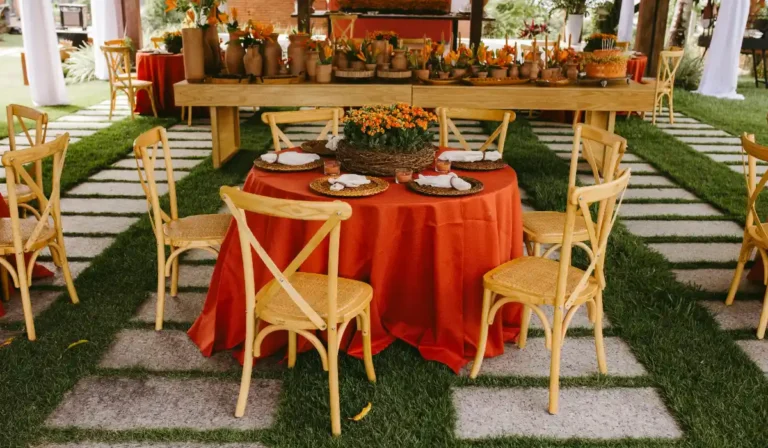
Furniture plays one of the most important roles in outdoor decoration. Selecting weather-resistant materials ensures durability while maintaining appearance despite changing weather conditions. Comfort should always remain a priority because attractive furniture has little value if people rarely use it.
The best tips decoradyard recommend investing in quality seating that balances style with practicality. Cushioned chairs, outdoor sofas, and dining sets encourage homeowners and guests to spend more time outdoors. Neutral furniture colors also make it easier to update the overall look with seasonal accessories.
Select Materials That Last
Outdoor furniture experiences constant exposure to sunlight, rain, and changing temperatures. Materials such as aluminum, teak, resin wicker, and powder-coated steel generally provide excellent durability with minimal maintenance. Choosing quality materials extends the lifespan of your investment.
Proper maintenance further improves longevity. Cleaning furniture regularly and storing cushions during severe weather helps preserve appearance while reducing long-term replacement costs.
Arrange Furniture for Conversation
Furniture placement significantly affects how comfortable and welcoming an outdoor space feels. Seating should encourage conversation while allowing enough room for easy movement. Positioning chairs around a central coffee table or fire pit naturally creates inviting gathering areas.
Avoid placing furniture too close together or blocking walkways. Balanced spacing makes the yard appear larger while improving accessibility for family members and guests alike.
Add Greenery for a Natural and Refreshing Look
Plants remain one of the most valuable elements in outdoor decorating because they introduce color, texture, and seasonal interest. The most effective tips decoradyard encourage selecting a combination of flowers, shrubs, ornamental grasses, and evergreen plants to maintain visual appeal throughout the year. Layering different plant heights also creates depth and dimension within the landscape.
Native plants often require less maintenance because they naturally adapt to local growing conditions. They generally consume less water and resist common pests more effectively than exotic species. Choosing appropriate plants for your climate results in healthier landscapes that continue thriving with minimal effort.
Combine Different Plant Heights
Professional-looking landscapes rarely rely on plants of identical size. Mixing tall shrubs, medium flowering plants, and low-growing ground covers creates visual balance while making the garden appear fuller. This layered approach also highlights focal points throughout the yard.
Grouping plants with similar sunlight and watering requirements simplifies ongoing maintenance. Organized planting arrangements promote healthier growth while making seasonal care easier for homeowners.
Use Decorative Planters
Decorative containers add flexibility to outdoor decorating because they can easily be moved whenever design preferences change. Planters work especially well on patios, balconies, entryways, and smaller yards where permanent landscaping may not be practical.
Choosing containers that complement the home’s architectural style creates a cohesive appearance. Coordinating planter colors with outdoor furniture and decorative accessories further enhances the overall design without overwhelming the space.
Enhance the Atmosphere with Outdoor Lighting
Lighting has the power to transform an ordinary yard into an inviting outdoor retreat after sunset. One of the most effective tips decoradyard is to layer different lighting styles instead of relying on a single bright fixture. Combining functional and decorative lighting creates warmth while improving safety around pathways, seating areas, and entrances.
Modern outdoor lighting options are available in various styles that complement both traditional and contemporary landscapes. Energy-efficient LED fixtures and solar-powered lights reduce electricity costs while providing reliable illumination throughout the evening. Proper placement ensures every important area remains visible without producing excessive brightness.
Use Layered Lighting
Layered lighting combines ambient, task, and accent lighting to create a balanced outdoor environment. Ambient lighting provides general visibility, task lighting illuminates functional spaces like outdoor kitchens, and accent lighting highlights decorative features such as trees, sculptures, or flower beds.
This combination creates visual depth while allowing homeowners to adjust the mood depending on the occasion. A well-lit yard also feels more welcoming for guests and encourages outdoor activities after dark.
Highlight Landscape Features
Trees, garden walls, fountains, and decorative plants become striking focal points when illuminated correctly. Spotlights and uplights can emphasize textures and architectural details without overwhelming the surrounding landscape. Strategic lighting placement also creates attractive shadows that add dimension to the yard.
Avoid placing lights directly into seating areas where glare may become uncomfortable. Instead, focus on indirect lighting that enhances visibility while maintaining a relaxing atmosphere.
Create Attractive Walkways and Defined Paths
Walkways help organize outdoor spaces by guiding movement between different sections of the yard. Practical tips decoradyard recommend designing pathways that feel natural while connecting patios, gardens, entrances, and seating areas. Defined paths improve accessibility and contribute to a cleaner, more structured landscape.
The choice of pathway material significantly influences the overall appearance of the yard. Natural stone, concrete pavers, brick, and gravel each offer unique visual appeal while accommodating different design styles and budgets. Selecting durable materials ensures long-lasting performance despite changing weather conditions.
Choose Materials That Match Your Style
Every pathway material creates a different visual impression. Stone pathways provide a timeless and elegant appearance, while gravel offers a casual and rustic atmosphere. Brick paths complement traditional homes, whereas concrete pavers suit modern landscape designs.
Matching pathway materials with existing patios or architectural features creates a cohesive outdoor environment. Consistency in materials helps unify separate areas into one harmonious landscape.
Frame Paths with Plants
Bordering walkways with flowers, ornamental grasses, or low-growing shrubs softens hard surfaces and introduces additional color throughout the yard. Carefully selected edging plants naturally guide visitors while creating visual interest along the pathway.
Maintaining clear borders also prevents plants from overgrowing walkways and obstructing movement. Regular trimming preserves both appearance and functionality throughout the growing season.
Establish a Strong Focal Point
Every attractive outdoor space benefits from a central feature that immediately captures attention. A focal point provides direction for the overall design and helps organize surrounding decorative elements. Among the most valuable tips decoradyard, creating one visually dominant feature prevents the yard from appearing random or cluttered.
The focal point should reflect the homeowner’s personal style while complementing the overall landscape design. Whether simple or elaborate, it serves as the visual anchor that ties the entire outdoor space together.
Popular Outdoor Focal Points
Fire pits remain one of the most popular focal points because they encourage conversation and extend outdoor enjoyment during cooler evenings. Decorative pergolas, sculptures, water fountains, mature trees, and outdoor fireplaces also create memorable visual centers within the landscape.
Selecting only one primary focal point prevents competing design elements from distracting attention. Supporting decorations should enhance rather than overshadow the main attraction.
Arrange Decorations Around the Centerpiece
Furniture, plants, lighting, and decorative accessories should naturally direct attention toward the focal point. Symmetrical arrangements often create a formal appearance, while asymmetrical layouts produce a more relaxed and organic feel.
Leaving sufficient open space around the centerpiece improves visibility and prevents overcrowding. Balanced spacing allows every decorative element to contribute without creating visual confusion.
Introduce Water Features for Relaxation
Water features add movement, sound, and tranquility to outdoor environments. One of the most calming tips decoradyard involves incorporating fountains, ponds, or cascading waterfalls that create peaceful background sounds while attracting birds and beneficial wildlife. Even compact water features can significantly enhance smaller gardens.
Modern water features are available in a wide range of sizes and styles, making them suitable for nearly every landscape. Many recirculating systems require minimal maintenance while consuming relatively little water, making them practical additions to residential yards.
Select the Right Water Feature
The size of the yard should determine the type of water feature you install. Small patios often benefit from tabletop fountains or compact wall-mounted waterfalls, while larger landscapes can accommodate decorative ponds or multi-level cascades.
Choosing a feature that complements the surrounding architecture creates visual harmony throughout the outdoor space. Proper scaling prevents the water element from appearing either insignificant or overwhelming.
Maintain Water Quality
Clean water preserves both appearance and functionality while preventing algae growth and unpleasant odors. Regular maintenance includes removing debris, checking water levels, and cleaning pumps according to manufacturer recommendations.
Healthy water features continue operating efficiently throughout the year while providing consistent visual and auditory enjoyment. Routine care also extends equipment lifespan and reduces repair costs.
Increase Privacy Without Sacrificing Beauty
Privacy contributes significantly to outdoor comfort by creating spaces where homeowners can relax without feeling exposed. Practical tips decoradyard recommend combining natural landscaping with decorative structures to establish comfortable boundaries that blend seamlessly into the overall design. Privacy solutions should enhance rather than restrict the visual appeal of the yard.
Several attractive options provide varying degrees of screening depending on available space and desired aesthetics. Choosing privacy elements that complement the home’s architectural style creates a cohesive outdoor environment.
Use Living Privacy Screens
Hedges, bamboo, evergreen shrubs, and climbing vines offer natural privacy while introducing greenery and texture. Living screens soften property boundaries and continue improving as plants mature over time.
Selecting fast-growing yet manageable species provides effective screening without excessive maintenance. Proper spacing during planting encourages healthy growth and long-term durability.
Install Decorative Structures
Pergolas, lattice panels, privacy screens, and decorative fencing provide immediate separation while supporting climbing plants and outdoor lighting. These structures can also define separate activity zones within larger landscapes.
Combining structural elements with vegetation produces layered privacy that appears both functional and visually appealing. Decorative screens often become attractive design features rather than simple barriers.
Choose a Balanced Outdoor Color Palette
Color coordination influences the mood and overall appearance of any outdoor space. Successful tips decoradyard encourage limiting dominant colors while introducing complementary accent shades through plants, cushions, rugs, and decorative accessories. A consistent palette creates harmony without making the landscape appear repetitive.
Neutral base colors allow seasonal decorations to stand out while providing long-term flexibility. Homeowners can easily refresh the appearance of their yard by replacing colorful accessories instead of purchasing entirely new furniture.
Build Around Neutral Foundations
Furniture in gray, beige, black, or natural wood tones serves as a timeless foundation for changing decorative styles. Neutral pieces coordinate easily with flowering plants and seasonal accessories throughout the year.
This approach reduces future decorating expenses because accent colors can be updated independently. It also creates a sophisticated appearance that remains appealing despite changing design trends.
Add Seasonal Accent Colors
Outdoor cushions, throw pillows, lanterns, and flower arrangements introduce vibrant colors without permanent commitment. Warm colors create energetic spaces, while cool tones encourage relaxation and tranquility.
Rotating accessories according to the season keeps the yard feeling fresh and inviting. Small decorative updates often produce noticeable visual improvements with minimal investment.
Frequently Asked Questions
1. What are the best tips decoradyard for beginners?
Start by creating a simple layout, choosing durable outdoor furniture, adding plants suited to your climate, and using lighting to enhance both functionality and visual appeal.
2. How can I decorate my yard on a small budget?
You can decorate affordably by repurposing existing furniture, planting low-maintenance greenery, using solar lights, adding DIY planters, and updating accessories instead of replacing major features.
3. How often should I update my outdoor décor?
Seasonal updates are usually sufficient. Refresh cushions, flowers, lighting, and decorative accessories every few months to keep your yard looking attractive throughout the year.
4. What plants are best for outdoor yard decoration?
Native plants, flowering shrubs, ornamental grasses, and evergreen varieties are excellent choices because they provide year-round beauty while requiring less maintenance and water.
5. Why is outdoor lighting important in yard decoration?
Outdoor lighting improves safety, highlights landscape features, creates a welcoming atmosphere, and allows you to enjoy your outdoor space comfortably during the evening hours.