DrHomey Handy Tips: Smart Home Improvement Tips for Every Homeowner
Every homeowner wants a house that is comfortable, functional, and easy to maintain. Whether you’re fixing small issues, improving your living space, or preventing expensive repairs, DrHomey handy tips can help you make smarter decisions. These practical home improvement ideas focus on simple maintenance routines, DIY projects, organization techniques, and preventive care that save both time and money.
Instead of waiting for problems to become costly emergencies, adopting a proactive approach keeps your home in excellent condition throughout the year. From cleaning gutters and sealing windows to organizing storage spaces and maintaining appliances, even small improvements can make a significant difference. These tips are useful for first-time homeowners, renters, DIY enthusiasts, and experienced property owners alike.
In this comprehensive guide, you’ll learn the most effective DrHomey handy tips for maintaining every area of your home. You’ll also discover expert recommendations, common mistakes to avoid, seasonal maintenance checklists, and practical strategies that improve your home’s comfort, safety, and long-term value.
Key Takeaways
- Learn practical DrHomey handy tips for everyday home maintenance.
- Reduce expensive repairs with preventive care.
- Improve energy efficiency throughout your home.
- Keep kitchens, bathrooms, and living spaces organized.
- Follow seasonal maintenance routines.
- Learn beginner-friendly DIY repair techniques.
- Increase your home’s value with simple upgrades.
- Create safer living spaces for your family.
- Avoid common homeowner maintenance mistakes.
- Build long-term habits that protect your investment.
What Are DrHomey Handy Tips?
DrHomey handy tips refer to practical home maintenance, organization, repair, and improvement strategies that help homeowners keep their properties in excellent condition. These tips emphasize prevention, smart planning, affordable upgrades, and easy DIY solutions rather than expensive renovations. By following these recommendations consistently, homeowners can reduce repair costs, improve safety, and maintain a comfortable living environment.
Unlike complex remodeling projects, handy tips focus on small actions that produce lasting results. Tightening loose cabinet handles, checking plumbing fixtures, replacing worn weather stripping, and cleaning ventilation systems may seem minor, but together they contribute to a healthier and more efficient home. Consistency is often more valuable than large one-time improvements because it prevents problems before they develop.
Another advantage of following DrHomey handy tips is that they are accessible to almost everyone. Most tasks require only basic tools, a little patience, and regular attention. As homeowners build confidence with simple maintenance jobs, they become better prepared to tackle more advanced DIY projects safely and effectively.
Why Regular Home Maintenance Matters
Many homeowners delay maintenance until something breaks. Unfortunately, this approach often leads to higher repair costs and unnecessary stress. Regular inspections allow you to identify small issues before they become expensive emergencies, protecting both your home’s structure and your budget.
Routine maintenance also improves energy efficiency. Dirty HVAC filters, leaking faucets, poorly sealed windows, and neglected appliances all increase monthly utility bills. Keeping these systems clean and functioning properly helps reduce energy consumption while extending the lifespan of expensive equipment.
Beyond financial savings, regular maintenance creates a safer home. Checking smoke detectors, inspecting electrical outlets, securing stair railings, and preventing water leaks reduce many common household hazards. Following DrHomey handy tips throughout the year helps families enjoy greater peace of mind while preserving the value of their property.
Benefits of Following DrHomey Handy Tips
| Benefit | Why It Matters |
| Lower repair costs | Prevents expensive emergencies |
| Better energy efficiency | Reduces electricity and heating bills |
| Improved safety | Minimizes household risks |
| Increased property value | Keeps the home attractive to buyers |
| Longer appliance lifespan | Reduces replacement costs |
| Cleaner living environment | Promotes healthier indoor air |
Essential DrHomey Handy Tips Every Homeowner Should Know
Inspect Your Home Every Month
One of the simplest yet most effective DrHomey handy tips is performing a monthly walkthrough of your home. Look carefully for water stains, cracks in walls, unusual odors, loose fixtures, damaged caulking, or signs of pests. Early detection often prevents repairs that could cost hundreds or even thousands of dollars.
During these inspections, pay special attention to plumbing under sinks, ceilings beneath bathrooms, window frames, and basement walls. Moisture problems are easier and cheaper to fix when discovered early. Keeping a maintenance notebook or digital checklist also helps track recurring issues and completed repairs over time.
Replace HVAC Filters Regularly
Your heating and cooling system works harder when air filters become clogged with dust and debris. Replacing filters every one to three months improves airflow, enhances indoor air quality, and reduces energy consumption. Homes with pets or allergy sufferers may require more frequent filter changes.
Clean filters also help protect expensive HVAC equipment from unnecessary wear. Many homeowners overlook this simple maintenance task, yet it is one of the easiest ways to extend the life of your heating and cooling system while maintaining consistent indoor comfort.
Stop Water Damage Before It Starts
Water damage remains one of the most expensive home repair issues. Fortunately, several DrHomey handy tips focus on preventing leaks before they become major problems. Regularly inspect faucets, toilets, washing machine hoses, water heaters, and outdoor spigots for signs of moisture or corrosion.
Replacing worn seals, tightening loose connections, and repairing small drips immediately can prevent mold growth, structural damage, and costly restoration work. Homeowners should also know the location of the main water shutoff valve in case of emergencies.
Keep Gutters Clean Throughout the Year
Clogged gutters cause rainwater to overflow, potentially damaging roofs, siding, landscaping, and foundations. Cleaning gutters at least twice annually allows water to drain safely away from your property.
While cleaning, inspect downspouts for blockages and ensure they direct water several feet away from the home’s foundation. Installing gutter guards may reduce maintenance requirements while improving drainage performance.
Test Safety Devices Frequently
Safety should always be a priority in every household. Smoke detectors, carbon monoxide detectors, and fire extinguishers require routine inspection to ensure they function properly during emergencies.
Replace batteries at least once each year, test alarm systems monthly, and verify that fire extinguishers remain fully charged. Teaching every family member emergency procedures further improves household preparedness.
Quick Home Maintenance Schedule
| Task | Frequency |
| Replace HVAC filters | Every 1–3 months |
| Test smoke detectors | Monthly |
| Clean gutters | Twice yearly |
| Check plumbing leaks | Monthly |
| Inspect roof | Twice yearly |
| Deep clean appliances | Every 6 months |
| Seal windows and doors | Annually |
Room-by-Room DrHomey Handy Tips
Kitchen Maintenance Tips
The kitchen is one of the busiest areas of any home, making regular maintenance essential. Start by checking under the sink for leaks, cleaning grease buildup around cooking surfaces, and inspecting cabinet hinges for loose screws. Small issues left unattended can gradually become costly repairs.
Appliances also deserve consistent attention. Cleaning refrigerator coils improves energy efficiency, while regularly inspecting dishwasher filters helps maintain strong cleaning performance. Wiping down countertops, disinfecting high-touch surfaces, and organizing pantry storage create a healthier and more functional kitchen environment.
Bathroom Maintenance Tips
Bathrooms experience constant moisture, making mold prevention one of the most important DrHomey handy tips. Run exhaust fans after showers, repair leaking faucets promptly, and reseal grout whenever cracks begin to appear. Proper ventilation helps prevent mildew growth and protects walls and ceilings from excess humidity.
Checking toilets for hidden leaks can also reduce water bills. A simple food-coloring test inside the toilet tank helps identify slow leaks that might otherwise go unnoticed. Replacing worn caulking around sinks, tubs, and showers keeps water from penetrating walls and flooring.
Living Room and Bedroom Care
Living rooms and bedrooms benefit from regular dusting, vacuuming, and furniture maintenance. Cleaning air vents, rotating ceiling fans seasonally, and inspecting electrical outlets improve both comfort and safety. Rearranging furniture occasionally also helps distribute wear evenly across carpets and flooring.
Simple organization techniques such as using storage baskets, labeling containers, and minimizing clutter create a more relaxing living environment. These habits also make routine cleaning faster and more efficient.
Home Maintenance Priority Checklist
| Priority | Task | Difficulty | Cost |
| High | Fix water leaks | Easy | Low |
| High | Test smoke alarms | Easy | Low |
| High | Replace HVAC filter | Easy | Low |
| Medium | Clean gutters | Moderate | Low |
| Medium | Seal windows | Moderate | Medium |
| Medium | Organize storage | Easy | Low |
| Low | Paint touch-ups | Easy | Low |
DIY Repairs Every Homeowner Can Handle
Learning a few basic DIY skills can save money, reduce waiting time for professional help, and increase confidence in maintaining your home. One of the core ideas behind DrHomey handy tips is that homeowners should be able to perform simple repairs safely using basic tools and careful planning. Not every repair requires specialized knowledge, and many common household issues have straightforward solutions.
Before beginning any repair, gather the correct tools, read the manufacturer’s instructions, and prioritize safety. Turn off electricity before working on electrical fixtures, shut off the water supply before plumbing repairs, and wear protective equipment when necessary. If a repair involves structural damage, gas lines, or major electrical work, hiring a qualified professional remains the safest option.
Basic Tools Every Homeowner Should Own
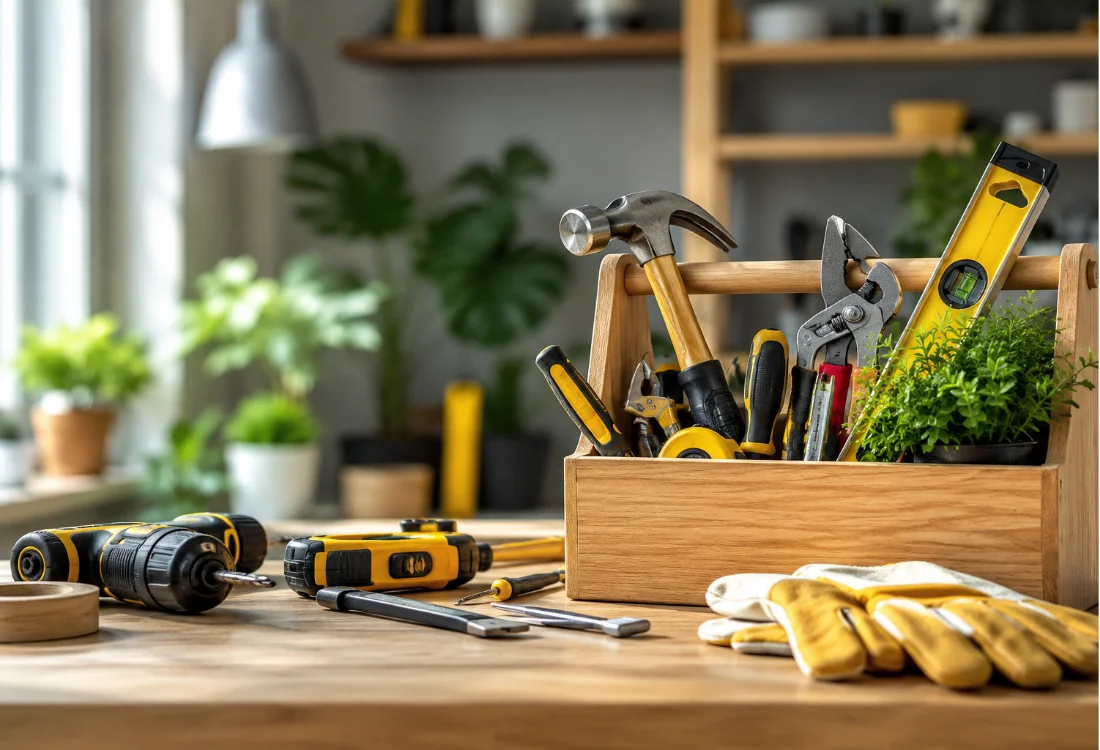
Having a well-stocked toolbox makes home maintenance much easier. Investing in quality tools also reduces frustration because reliable equipment performs better and lasts longer. Even beginners can complete many household tasks with a small collection of essential tools.
| Tool | Primary Use | Importance |
| Claw hammer | Hanging, removing nails | Essential |
| Screwdriver set | Furniture and fixtures | Essential |
| Adjustable wrench | Plumbing and bolts | Essential |
| Tape measure | Measuring projects | Essential |
| Utility knife | Cutting materials | High |
| Pliers | Gripping and twisting | High |
| Cordless drill | Installing hardware | High |
| Level | Hanging shelves and frames | Medium |
| Flashlight | Inspections and emergencies | Essential |
Fixing Loose Cabinet Handles
Loose cabinet hardware is one of the easiest repairs. Tightening screws every few months prevents additional wear on doors and drawers. If screw holes become enlarged, wood filler or longer screws often restore a secure fit.
This simple maintenance task improves both functionality and appearance. Although it takes only a few minutes, it reflects the preventive mindset encouraged by DrHomey handy tips, where small actions help avoid larger repairs.
Repairing Minor Wall Holes
Small nail holes and dents can make walls appear neglected. Filling them with lightweight spackling compound, sanding the surface smoothly, and applying matching paint restores a clean finish. This inexpensive repair is ideal before guests arrive or before selling a property.
Practicing on less visible areas first helps beginners gain confidence. Taking time to prepare the surface properly usually produces professional-looking results.
Unclogging Slow Drains
Kitchen and bathroom drains often become clogged by hair, soap residue, grease, or food particles. Instead of immediately using harsh chemical cleaners, start with a drain snake or plunger to remove the blockage mechanically. Regular cleaning also helps prevent future clogs.
Avoid pouring cooking grease into kitchen sinks because it hardens inside pipes over time. Installing drain strainers provides another simple preventive solution.
Home Organization Strategies That Simplify Daily Life
An organized home is easier to clean, maintain, and enjoy. One of the most valuable DrHomey handy tips is to create systems that reduce clutter before it accumulates. Organization is not only about appearance; it also saves time, protects belongings, and makes everyday routines more efficient.
Rather than organizing everything at once, focus on one room or category at a time. Small, consistent improvements are easier to maintain than large, one-day cleaning projects. Labeling containers, using clear storage bins, and assigning every item a permanent place all contribute to long-term organization.
Declutter Before You Organize
Many homeowners buy storage products before reducing unnecessary belongings. A better approach is to sort items into categories: keep, donate, recycle, or discard. This process creates more usable space and makes storage systems much more effective.
Removing unused items also makes routine cleaning faster. Fewer possessions mean fewer surfaces to dust and fewer areas where dirt and clutter can collect.
Smart Storage Solutions
Vertical storage is often underused in homes. Installing shelves, hooks, pegboards, and over-the-door organizers increases storage capacity without requiring additional floor space. Multi-purpose furniture with built-in storage also works well in smaller homes.
Grouping similar items together improves efficiency. Keep cleaning supplies near where they are used, organize seasonal decorations in labeled bins, and store frequently used kitchen tools within easy reach.
Home Organization Checklist
| Area | Recommended Action | Benefit |
| Kitchen | Label pantry containers | Faster meal preparation |
| Garage | Install wall hooks | Frees floor space |
| Closet | Use matching hangers | Better organization |
| Bathroom | Drawer organizers | Easier access |
| Entryway | Shoe rack and baskets | Reduces clutter |
| Laundry Room | Storage shelves | Better efficiency |
Energy-Saving DrHomey Handy Tips
Lowering energy consumption benefits both the environment and your household budget. Many DrHomey handy tips focus on improving efficiency through simple upgrades rather than expensive renovations. Small adjustments throughout the home often produce noticeable savings over time.
Improving insulation, reducing drafts, maintaining appliances, and choosing energy-efficient lighting all contribute to lower utility bills. These upgrades also increase indoor comfort by maintaining more consistent temperatures throughout the year.
Replace Traditional Bulbs with LED Lighting
LED bulbs consume significantly less electricity than traditional incandescent bulbs while lasting much longer. Although their initial purchase price may be higher, they reduce replacement frequency and lower long-term energy costs.
Switching to LED lighting throughout the home is one of the easiest energy-saving improvements. Begin with frequently used rooms such as kitchens, living rooms, and hallways to maximize savings.
Seal Air Leaks Around Doors and Windows
Tiny gaps around windows and doors allow conditioned air to escape, forcing heating and cooling systems to work harder. Replacing worn weather stripping and applying fresh caulk around frames reduces energy loss and improves indoor comfort.
This affordable project typically requires only basic materials and a few hours of work. Regular inspections help identify new gaps as homes naturally expand and contract with changing seasons.
Maintain Major Appliances
Household appliances operate more efficiently when properly maintained. Cleaning refrigerator coils, checking washing machine hoses, and removing lint from dryer vents improve both safety and performance. Well-maintained appliances also tend to last longer.
Scheduling routine maintenance prevents unexpected breakdowns while reducing monthly utility expenses. Following manufacturer recommendations further extends appliance lifespan.
Energy-Saving Improvement Comparison
| Improvement | Estimated Cost | Difficulty | Potential Benefit |
| LED lighting | Low | Easy | Lower electricity use |
| Weather stripping | Low | Easy | Better insulation |
| Smart thermostat | Medium | Easy | Improved efficiency |
| HVAC maintenance | Medium | Moderate | Longer equipment life |
| Ceiling fan cleaning | Low | Easy | Better airflow |
| Appliance maintenance | Low | Easy | Lower operating costs |
Seasonal Home Maintenance Guide
Every season presents different maintenance challenges. A structured schedule helps homeowners stay organized while preventing weather-related damage. One of the strengths of DrHomey handy tips is encouraging maintenance before seasonal problems develop.
Spring Maintenance
Spring is the ideal time to inspect the home after winter weather. Clean gutters, examine the roof for damaged shingles, inspect siding, service the air conditioning system, and trim overgrown landscaping. Outdoor faucets should also be checked for leaks caused by freezing temperatures.
Inside the home, deep cleaning improves indoor air quality and creates an opportunity to inspect flooring, walls, and windows for signs of damage.
Summer Maintenance
Warm weather provides excellent conditions for exterior projects. Pressure wash decks and patios, repaint weathered surfaces, inspect fences, and clean outdoor furniture. Test irrigation systems to ensure lawns and gardens receive adequate water without unnecessary waste.
Summer is also a good time to clean ceiling fans and inspect attic ventilation to improve cooling efficiency.
Fall Maintenance
Prepare the home for colder weather by sealing windows, cleaning chimneys, servicing heating systems, and removing leaves from gutters. Outdoor hoses should be disconnected before freezing temperatures arrive.
Inspect weather stripping around doors and windows, and stock emergency supplies before winter storms become more common.
Winter Maintenance
Winter maintenance focuses on protecting plumbing, heating systems, and walkways. Insulate exposed pipes, monitor indoor humidity, and clear snow or ice from entrances when necessary. Regularly checking heating equipment ensures consistent performance during cold weather.
Following these seasonal routines keeps homes safer and reduces the likelihood of emergency repairs.
Common Home Maintenance Mistakes to Avoid
Even well-intentioned homeowners make mistakes that can shorten the lifespan of their property. Recognizing these common errors helps you make smarter maintenance decisions and supports the practical approach promoted by DrHomey handy tips.
One frequent mistake is ignoring small issues because they seem insignificant. A minor leak, loose handrail, or cracked seal may not appear urgent today, but delaying repairs often leads to much larger expenses later. Addressing problems promptly usually costs less and prevents additional damage.
Another mistake is skipping routine inspections. Homeowners often assume everything is working properly until a visible problem appears. Regular monthly walkthroughs help identify early warning signs before they become emergencies.
Using the wrong tools or repair materials also causes unnecessary damage. Always choose products designed for the specific task and follow manufacturer instructions carefully. When a project exceeds your skill level, hiring a professional protects both your home and your safety.
Pros and Cons of DIY Home Maintenance
| Pros | Cons |
| Saves money | Some repairs require experience |
| Builds practical skills | Mistakes can increase repair costs |
| Faster response to small issues | Requires time and planning |
| Greater understanding of your home | Specialized tools may be needed |
| Encourages preventive maintenance | Safety risks if done improperly |
Expert Recommendations for Long-Term Home Care
Experienced homeowners understand that successful maintenance depends more on consistency than perfection. Instead of waiting for annual inspections, complete small maintenance tasks throughout the year. Keeping a maintenance calendar helps ensure nothing important is forgotten.
Document repairs, appliance service dates, and warranty information in one location. This record simplifies future maintenance and can also be valuable if you decide to sell your home. Buyers appreciate evidence that a property has been cared for responsibly.
Finally, invest in quality materials whenever possible. Durable products often cost more initially but provide better performance and longer service life. Combining quality materials with regular inspections creates the foundation for successful long-term homeownership.
Conclusion
Keeping a home in excellent condition does not always require expensive renovations or professional repairs. Instead, consistent maintenance, smart planning, and attention to detail can prevent many common household problems before they become costly. Throughout this guide, we’ve explored a wide range of DrHomey handy tips that cover everything from monthly inspections and basic DIY repairs to energy-saving strategies, home organization, and seasonal maintenance routines. Each recommendation is designed to help homeowners protect their investment while creating a safer, cleaner, and more comfortable living environment.
Whether you are a first-time homeowner or someone with years of experience, applying these practical habits can save time, reduce repair expenses, and improve your home’s overall efficiency. Simple actions such as replacing HVAC filters, checking for leaks, organizing storage spaces, and maintaining appliances have a lasting impact when performed consistently.
The true value of DrHomey handy tips lies in their focus on prevention rather than repair. Small improvements made today often eliminate major problems tomorrow. By following the maintenance schedules, checklists, and expert recommendations shared in this guide, you can extend the life of your home, increase its value, and enjoy greater peace of mind for years to come.
Short FAQs
1. What are DrHomey handy tips?
DrHomey handy tips are practical home maintenance and DIY suggestions that help homeowners keep their homes safe, clean, and efficient.
2. How often should I follow DrHomey handy tips?
Most maintenance tasks should be done monthly, while seasonal inspections and deep maintenance should be completed throughout the year.
3. Are DrHomey handy tips suitable for beginners?
Yes. Most DrHomey handy tips are simple, beginner-friendly, and require only basic household tools.
4. Can DrHomey handy tips help save money?
Yes. Regular maintenance prevents costly repairs, improves energy efficiency, and extends the life of household appliances.
5. Which room should I maintain first?
Start with the kitchen and bathroom since they are most prone to water leaks, moisture, and frequent use.